Camping Journal KDP Interior: Ready-to-Publish Template
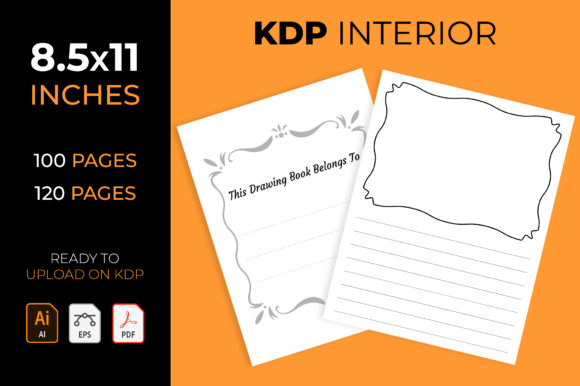
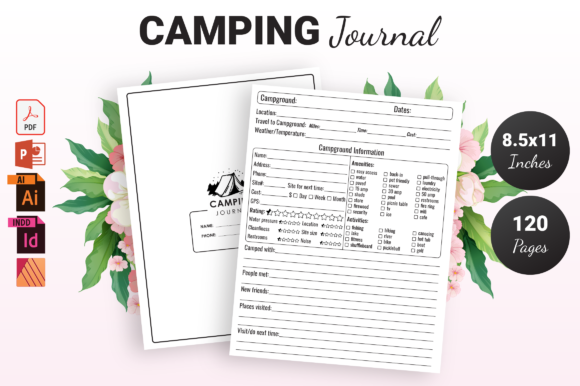
Creating a successful low-content book on Amazon KDP requires more than just uploading a generic lined notebook. The market for outdoor enthusiasts is vibrant, but it is also competitive. To stand out, publishers need interiors that offer genuine utility and structured engagement. This Camping Journal KDP Interior provides a comprehensive solution designed specifically for the 8.5″ x 11″ trim size, offering a robust 120-page layout that balances open writing space with functional tracking elements. By providing source files in PDF, PowerPoint, Illustrator, and InDesign formats, this template removes technical barriers and allows creators to focus on niche differentiation and marketing strategy rather than grid alignment or margin calculations.
Strategic Value of Editable Source Files
The primary advantage of this interior package lies in its versatility across multiple design platforms. While the high-quality print-ready PDF allows for immediate upload, the inclusion of PPTX, AI, and INDD files transforms this from a static product into a foundational asset for a broader publishing portfolio. For entrepreneurs and small business owners, time is often the most significant constraint. Starting with a professionally formatted InDesign or Illustrator file ensures that bleed settings, safe zones, and gutter margins are already optimized for KDP’s strict printing specifications.
This multi-format approach supports different workflows depending on your technical proficiency and goals:
- Adobe InDesign (INDD): Ideal for professional publishers who want to utilize master pages, paragraph styles, and automated page numbering to create a series of branded journals with consistent typography and layout.
- Adobe Illustrator (AI): Best for designers focusing on vector graphics, custom iconography, or intricate cover-to-interior branding integration without worrying about pixelation.
- PowerPoint (PPTX): A practical option for educators, hobbyists, or marketers who may not own Adobe Creative Cloud but still require full editability to swap fonts, adjust prompts, or add personal branding elements.
- Print-Ready PDF: Perfect for rapid deployment when testing a new niche or keyword strategy without needing further customization.
Designing for the Outdoor Enthusiast Experience
An effective camping journal serves as both a memory keeper and a practical field guide. When adapting this 120-page interior, consider how the user interacts with the book in real-world environments. Campers often write in low light, on uneven surfaces, or while managing gear. The layout should prioritize clarity and ease of use over decorative complexity. The 8.5″ x 11″ dimension offers ample surface area for detailed trip logs, gear checklists, and sketching wildlife or campsite layouts, which distinguishes it from smaller, pocket-sized alternatives that can feel cramped for serious documentation.
When customizing the interior, think about the specific type of camper you are targeting. A family RV traveler has vastly different documentation needs than a solo backcountry hiker. You might adapt the standard prompts to include sections for "Campground Amenities," "Kid-Friendly Activities," and "Meal Prep Logs" for the family niche. Conversely, a wilderness survival edition could replace those sections with "Water Source Quality," "Wildlife Sightings," and "Weather Pattern Tracking." This level of specificity signals to potential buyers that the book was created with their unique experience in mind, increasing perceived value and conversion rates.
Functional Layout Ideas and Adaptations
Beyond simple diary entries, consider how structural elements can enhance the user experience. Since this template includes no bleed, all content must remain within the safe zone, which actually encourages cleaner, more organized design aesthetics. Here are practical ways to utilize the 120-page count effectively:
- Trip Planning Section (Pages 1–10): Dedicate the opening pages to pre-trip preparation. Include packing lists categorized by clothing, cooking, safety, and entertainment. Add a budget tracker and a reservation confirmation log. This turns the journal into an active planning tool before the trip even begins.
- Daily Log Structure (Pages 11–100): Instead of blank lines, provide a hybrid layout. Include fixed fields for date, location, weather, temperature, and mileage, followed by open space for narrative reflection. Consistency in these headers helps users build a habit of recording data that becomes valuable over time.
- Reference and Index (Pages 101–120): Utilize the final section for long-term value. Create templates for rating campsites, listing favorite trails, or cataloging wildlife. An index table allows users to quickly find past trips, making the physical book searchable and functional years after purchase.
Maintaining Professional Quality and Consistency
Whether you are a freelance designer creating assets for clients or a self-publisher building a brand, maintaining visual consistency is crucial for customer satisfaction and reviews. When editing the Camping Journal KDP Interior, adhere to typographic best practices suitable for print. Use legible serif or sans-serif fonts at a minimum of 10pt size to ensure readability in varying lighting conditions. Avoid using pure black (#000000) for large text blocks if possible; a dark gray (#333333) often prints more softly and reduces eye strain on cream or white paper stock.
Organization extends beyond the page layout to the file management itself. If you are creating variations for different sub-niches, establish a clear naming convention and folder structure. Keep your master INDD or AI files separate from your export folders. Document any font licenses or asset sources used during customization to avoid future compliance issues. For marketers and bloggers using this journal as a lead magnet or merchandise extension, ensure the interior branding aligns with your website and social media aesthetics. This cohesion reinforces brand recognition and creates a seamless experience for your audience.
Expanding Beyond Amazon KDP
While optimized for KDP, the editable nature of these files opens revenue streams across multiple platforms. Educators and youth group leaders can adapt the interior into printable worksheets or digital fillable PDFs for nature study curricula. Freelancers can offer customization services to glamping businesses or tour operators wanting branded guest books. Marketers can extract individual pages to create social media content, blog post visuals, or email newsletter resources related to outdoor travel.
The key to maximizing this asset is viewing it as a flexible framework rather than a finished commodity. By understanding the technical specifications—8.5″ x 11″, no bleed, 120 pages—and leveraging the provided source files, you can efficiently produce high-quality, niche-specific products that serve real user needs. This practical approach to low-content publishing builds sustainable income through relevance and utility, ensuring your Camping Journal stands out in a crowded marketplace by offering genuine value to the outdoor community.