Black Lined Journal - KDP Interior for Publishers
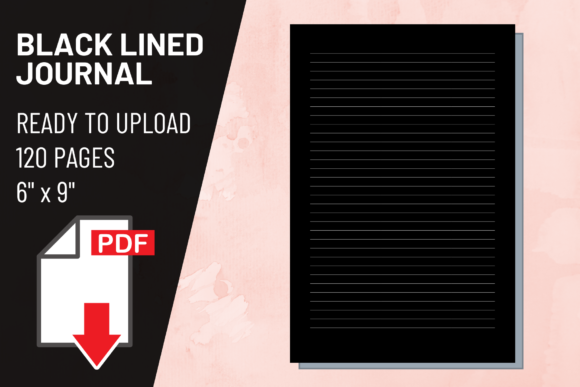
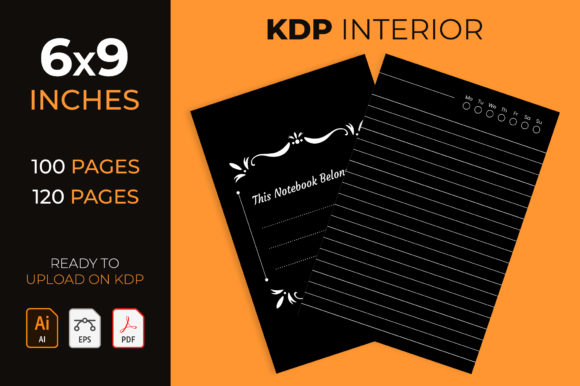
Creating low-content books for Amazon KDP often involves a repetitive cycle of formatting, testing, and uploading. The Black Lined Journal - KDP Interior is designed specifically to interrupt this cycle by providing a pre-formatted, tested foundation for publishers. Rather than spending hours adjusting margins or worrying about bleed settings, this resource offers a standardized 6x9 inch layout with 100 pages of black lines on both sides. It serves as a functional base layer for a publishing business, allowing creators to focus on cover design and niche selection rather than technical interior specifications.
Different Priorities for Different Publishers
While the core product remains the same, the value proposition shifts significantly depending on where you are in your publishing journey. A beginner often prioritizes safety and simplicity, needing assurance that their first upload will not be rejected due to formatting errors. In contrast, an experienced publisher with a portfolio of hundreds of titles values speed and scalability above all else. For educators or small business owners creating branded materials, the priority might be editability and professional presentation. Understanding these distinct needs helps determine if this specific interior template aligns with your current objectives.
Beginners Seeking Technical Confidence
For those new to self-publishing, the most daunting aspect is often the technical setup. Margins, gutters, and bleed settings can be confusing, and a single error can result in rejection from the KDP platform. This Black Lined Journal - KDP Interior addresses that anxiety by arriving pre-tested for upload. The inclusion of "Bleed" settings means the lines extend to the edge of the page correctly, a common stumbling block for novices.
Beginners benefit from the reliability of having two PDF files included. If one file encounters an unexpected issue during the upload process, having a backup ready reduces friction. More importantly, using a verified template allows new publishers to learn the platform's requirements without risking their account standing. It transforms the learning curve from a technical struggle into a creative exploration of niches and keywords.
Scaling Businesses and Volume Publishers
Experienced marketers and entrepreneurs operating at scale view time as their most limited resource. Creating a unique interior for every lined journal is inefficient when the end-user experience is largely identical across titles. For this group, the primary advantage is the ability to deploy unlimited niches rapidly. Whether targeting nurses, teachers, gardeners, or fitness enthusiasts, the internal structure remains consistent while the external branding changes.
The 6x9 inch dimension is an industry standard for trade paperbacks, making it a safe choice for broad market appeal. With 100 pages formatted on both sides, this template supports a substantial book spine, which improves visibility on physical shelves and search results. For volume publishers, the "ready for upload" status eliminates the quality assurance bottleneck, allowing them to test multiple market segments in the time it would usually take to format a single book.
Editability and Creative Flexibility
Not every project requires a static interior. Some creators need to add value beyond simple lines, such as branding elements, inspirational quotes, or custom headers. This is where the inclusion of editable source files becomes critical. The package provides AI Illustrator CC and EPS files alongside the print-ready PDFs.
- Adobe Illustrator Compatibility: Professionals familiar with vector graphics can open the AI files to modify line weight, adjust spacing, or insert logos directly into the master template.
- EPS Versatility: For users working in alternative vector software like Affinity Designer or CorelDRAW, the EPS format ensures cross-platform compatibility without losing editability.
- Brand Consistency: Small business owners can embed their logo or website URL on every page, turning a generic journal into a branded marketing tool or corporate gift.
This flexibility distinguishes a premium asset from a basic utility. While beginners may stick to the PDFs, professionals leverage the source files to create differentiated products that stand out in saturated categories. It allows for the creation of hybrid interiors—perhaps adding a monthly reflection page or a specialized tracking chart—without rebuilding the document from scratch.
Educators and Niche Specialists
Educators and subject matter experts often use journals as supplementary tools rather than standalone products. A language tutor might want a lined journal with specific vocabulary prompts, while a therapist might require space for mood tracking alongside standard writing lines. The editable nature of this Black Lined Journal - KDP Interior supports these specialized applications.
Instead of purchasing separate templates for each variation, these users can maintain a single master file. They can duplicate the artboard, make minor adjustments for specific student groups or client needs, and export a new PDF. This approach maintains high production quality while keeping costs low. The 120-page option (if utilizing the extended file set) also provides enough room for semester-long tracking or comprehensive workbooks, whereas the 100-page version suits shorter-term projects or lighter daily use.
Evaluating Fit for Your Project
Determining whether this interior matches your goals requires an honest assessment of your workflow and output expectations. Consider the following practical factors before integrating this template into your catalog:
- Niche Alignment: Does your target audience prefer the standard 6x9 size? While versatile, some niches like travel journals or pocket notebooks may require smaller dimensions. Verify market demand for this specific trim size within your chosen category.
- Software Access: Do you have access to Adobe Illustrator or compatible vector software? If you only intend to use the PDF files, ensure the existing line spacing and margins meet your aesthetic standards, as you will not be able to alter them without the source files.
- Content Strategy: Are you building a brand around high-content uniqueness or low-content volume? This template excels at the latter. If your strategy relies on highly customized, proprietary interior layouts, this may serve better as a backup or secondary product line rather than your flagship offering.
- Commercial Licensing: Always verify the specific license terms associated with the download. Ensure you have the rights to use the template for commercial KDP publishing and understand any limitations regarding redistribution or modification.
Quality and Presentation Standards
The visual quality of the interior directly impacts customer reviews and return rates. Black lines on white paper offer high contrast, which is generally preferred for writing clarity compared to gray or colored lines. However, the opacity and thickness of those lines matter. Because this template is provided in vector formats (AI/EPS), the lines remain crisp at any resolution, avoiding the pixelation that can occur with raster-based templates.
For consumers, the "feel" of the journal is paramount. The 6x9 dimension strikes a balance between portability and writing space, making it suitable for desk work and bag carry alike. By utilizing a professionally formatted interior, publishers signal to potential buyers that care has been taken in the book's construction. Even in low-content publishing, perceived quality drives conversion. Using a tested, standardized template ensures that the final printed product meets the baseline expectations of Amazon shoppers accustomed to traditional publishing standards.
Ultimately, the Black Lined Journal - KDP Interior functions as an infrastructure component for your publishing business. It removes technical variables, accelerates production timelines, and provides a flexible canvas for both novice and expert creators. Whether you are launching your first title or optimizing a backlist of hundreds, evaluating this resource through the lens of your specific operational needs will help you maximize its utility and support sustainable growth in the KDP marketplace.