Dolch Sight Words Tracing: Kindergarten Printables
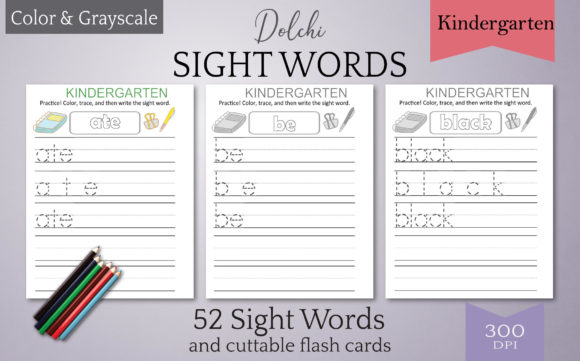
Mastering early literacy requires consistent, tactile practice, and few tools are as effective for this developmental stage as targeted tracing worksheets. For educators, parents, and content creators, having a reliable resource for Dolch Sight Words Tracing Kindergarten is essential. This specific collection focuses on the fifty-two core sight words required for kindergarten proficiency, providing a structured foundation for young readers. Beyond simple repetition, these pages offer a multi-sensory approach where children color, trace, and write each word, reinforcing memory through motor skills and visual engagement.
The utility of this resource extends far beyond a single classroom lesson. Whether you are a teacher building a supplementary curriculum, a parent homeschooling through the early years, or a digital publisher creating activity books for Amazon KDP, high-quality templates save immense amounts of time. The included PDF is formatted at 8.5″x11″ with 300 DPI resolution, ensuring that whether it is printed at home or professionally bound, the lines remain crisp and the text legible. This technical precision matters because blurry tracing lines frustrate learners and diminish the perceived value of educational materials.
Creative Applications for Educators and Parents
For those working directly with children, the primary goal is engagement. Standard drilling can become tedious, but the design of these tracing sheets invites interaction. The "color, trace, and write" format transforms a vocabulary lesson into an art activity. When a child colors the letters before tracing them, they are performing a form of orthographic mapping that helps cement the word shape in their mind. This is particularly useful for kindergarteners who are still developing fine motor control.
One of the most practical features of this pack is the inclusion of cuttable flashcard sheets. These cover all fifty-two Dolch words plus seven additional Fry words, bridging the gap between lists and offering extended value. Instead of purchasing separate flashcards, you can integrate them into your existing workflow. Consider printing these on cardstock and laminating them for durability. Laminated flashcards and tracing sheets allow for dry-erase marker use, turning a disposable worksheet into a reusable learning station. This sustainability aspect appeals to budget-conscious families and eco-friendly classrooms while maximizing the return on your printing costs.
Organization is key when managing fifty-nine distinct vocabulary terms. Use the digital files to create customized binders based on student progress rather than alphabetical order. Grouping words by frequency or phonetic similarity often yields better retention than standard lists. Because the PDF is editable in software like Affinity Publisher, you can rearrange pages to match your specific scope and sequence without redesigning assets from scratch.
Leveraging Assets for Print on Demand Businesses
For entrepreneurs in the low-content publishing space, finding interior pages that are both compliant and high-quality is a constant challenge. This Dolch Sight Words Tracing Kindergarten template serves as a robust backbone for KDP activity books. The 300 DPI specification meets professional printing standards, preventing the gray-scale banding that often plagues amateur publications. However, successful publishers know that raw assets are just the starting point.
To create a unique product in a saturated market, consider how you frame these tracing pages. Rather than publishing a generic "Sight Word Book," niche down. Combine these tracing pages with thematic elements—such as seasonal graphics, animal facts, or positive affirmations—to create a hybrid learning experience. Since the file allows for editing, you can add custom headers, footers, or branding elements that align with your series. This customization signals to algorithms and customers alike that your book offers distinct value beyond public domain dumps.
The inclusion of the seven Fry words alongside the Dolch list provides a natural upsell or differentiation point. Many competitors focus solely on the standard Dolch list; highlighting the bonus words in your book description and title metadata can improve click-through rates. Furthermore, the cuttable flashcard section adds perceived value. Parents love bonuses that require no extra purchase. Marketing your book as a "2-in-1 Workbook and Flashcard Set" leverages this feature effectively.
Digital Planner Integration and Hybrid Learning
The shift toward digital planning and tablet-based learning has opened new avenues for traditional printable assets. While designed for print, these high-resolution PDFs adapt well to apps like GoodNotes or Notability. Digital planners for early education are a growing niche, and having clean, vector-style tracing pages allows users to practice with a stylus. The benefit here is the undo button and infinite reproducibility without paper waste.
If you are creating digital products, ensure you test the line weight on various screens. What looks perfect in print may appear too faint on a backlit display. You may need to adjust the stroke opacity slightly for digital-only versions. Additionally, consider hyperlinking the flashcard section within a digital planner so users can jump instantly to specific word sets. This level of user experience design separates premium digital products from basic PDF downloads.
Maintaining Quality and Educational Integrity
Regardless of whether you are using these files for personal teaching or commercial publishing, maintaining educational integrity is paramount. The Dolch list is standardized for a reason; altering the spelling or font style to something overly decorative can hinder recognition. Stick to school-standard fonts (like Century Gothic or similar sans-serifs) that mirror what children see in their textbooks. The provided template adheres to these best practices, but if you edit the files, resist the urge to use novelty fonts that confuse letter formation.
Consistency in layout also aids learning. Young brains thrive on predictability. Keep the tracing area, coloring space, and independent writing lines in the same position on every page. This reduces cognitive load, allowing the child to focus entirely on the word itself rather than navigating a new interface for each term. If you mix these pages with other activities in a larger book, use clear visual separators or tabs to distinguish the sight word section from puzzles or stories.
For POD creators, always order a proof copy before listing. Check the bleed margins and binding gutter. Tracing lines that disappear into the spine render a workbook useless. The 8.5″x11″ template is sized correctly for standard US trade paperbacks, but verifying the safe zone ensures a professional finish. Remember that customer reviews for educational books are unforgiving regarding print quality; a sharp, clean interior builds trust and encourages repeat purchases from your brand.
Expanding Beyond the Basics
Once you have mastered the basic application of these tracing sheets, look for opportunities to expand the learning ecosystem. Create certificate templates for completing the fifty-two words. Design progress trackers that pair with the flashcards. Write blog posts or social media content demonstrating different ways to use the laminated sheets, such as sensory bin activities where children find the matching flashcard and then trace the word in sand or shaving cream.
This holistic approach transforms a simple PDF download into a comprehensive educational system. By understanding the pedagogical value of Dolch Sight Words Tracing Kindergarten and combining it with modern production and marketing strategies, you serve your audience more effectively. Whether that audience is a kindergartner learning to read or a fellow creator seeking reliable assets, the focus remains on practical, high-utility solutions that facilitate genuine learning and business growth.