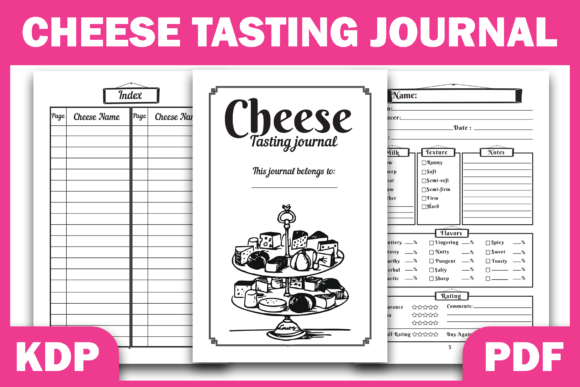
KDP Interior Cheese Tasting Journal: A Publisher's Guide
For self-publishers and low-content book creators, finding a niche with genuine utility is often more sustainable than chasing fleeting trends. The KDP Interior Cheese Tasting Journal represents a specialized intersection of culinary enthusiasm and structured data tracking. Unlike generic notebooks, this specific logbook template addresses the nuanced needs of cheese connoisseurs who require more than blank lines to capture their experiences. For publishers, it offers a pre-formatted solution that eliminates the technical hurdles of interior design while providing end-users with a professional-grade tool for sensory evaluation.
The value of this resource lies in its specificity. Cheese tasting is a multisensory activity involving complex variables like milk type, aging processes, and terroir. A standard journal fails to prompt the user to record these critical data points. By utilizing a dedicated KDP Interior Cheese Tasting Journal, publishers can offer a product that actively guides the user through a systematic tasting process. This transforms a simple notebook into an educational instrument, increasing the perceived value of the book and potentially leading to better reviews and customer satisfaction on the Amazon platform.
Structured Data Entry for Sensory Analysis
The primary advantage of this template is its comprehensive layout designed specifically for fromage evaluation. When creating or selling a cheese logbook, the interior structure dictates the user experience. This template includes dedicated fields for Cheese Name, Origin, Producer, Age, Date, Price, Milk Type, Texture, Flavors, Rating, Comments, and Additional Notes. This level of detail matters because it solves a common problem for enthusiasts: inconsistent record-keeping.
Consider a user attending a cheese festival or visiting a fromagerie. Without prompts, they might remember the name of a Brie but forget the specific producer or the milk source. Over time, these gaps make the journal less useful as a reference tool. By providing a structured framework, the KDP Interior Cheese Tasting Journal ensures that every entry is complete and comparable. For the publisher, this means the book serves a functional purpose beyond mere aesthetics. It supports the user’s goal of building a personal database of preferences, which is a strong selling point in marketing copy and book descriptions.
Optimizing Page Count and Book Architecture
Technical specifications are just as important as content quality in the low-content publishing space. This template arrives as a single PDF ready to upload, containing exactly 120 high-quality pages. This page count is strategically chosen to balance spine width with production costs. A 120-page book allows for text on the spine, which significantly improves discoverability on physical shelves and enhances the professional appearance of the listing online.
The internal architecture is equally deliberate. The inclusion of three index pages at the beginning addresses a major pain point in logbooks: retrieval. Users need to find specific entries quickly, whether they are looking for a favorite Gouda or comparing prices over time. Following the index, there are 110 dedicated cheese tasting pages and five additional notes pages. This ratio maximizes utility while providing flexibility for unstructured thoughts. For publishers, this pre-calculated pagination removes the risk of formatting errors, margin violations, or bleed issues that frequently cause rejection during the KDP review process.
Streamlining the Publishing Workflow
Time is a critical asset for entrepreneurs and freelancers managing multiple titles. Designing a functional, aesthetically pleasing interior from scratch requires significant hours of layout work, font selection, and margin testing. The KDP Interior Cheese Tasting Journal serves as a turnkey solution that has been fully tested on the Amazon KDP platform. This validation is crucial because it mitigates the risk of technical rejection, allowing publishers to move from acquisition to listing rapidly.
This efficiency does not come at the cost of creativity. The template is designed to be a foundation rather than a final product. Publishers are expected to add their own cover art, title, and branding. This separation of labor allows creators to focus their energy on market research, keyword optimization, and cover design—elements that drive sales—while relying on a proven interior structure. For educators or bloggers expanding into merchandise, this means they can launch a companion product to their content without needing to learn professional typesetting software.
Target Audience Alignment and Market Fit
Understanding who buys this journal helps publishers position it effectively. The target demographic extends beyond casual snackers to include serious hobbyists, culinary students, sommeliers, and food bloggers. These users treat cheese tasting as a discipline requiring documentation. They are looking for tools that respect the complexity of the subject matter. A generic "Food Diary" does not signal expertise, whereas a specialized cheese logbook demonstrates an understanding of their specific needs.
Professionals in the hospitality industry may also use this KDP Interior Cheese Tasting Journal for staff training or inventory curation. In this context, the standardized rating and flavor fields become a communication tool, helping teams articulate preferences and maintain consistency. Publishers should consider these diverse use cases when writing book descriptions. Highlighting the structured fields for milk type and texture appeals to the technical buyer, while mentioning the notes section attracts the creative writer. Recognizing these distinct segments allows for more effective keyword targeting and ad copy.
Evaluating Limitations and Customization Needs
While this template offers significant advantages, it is important to recognize where it fits within a broader portfolio strategy. As a pre-made interior, it lacks exclusivity; other publishers may have access to similar layouts. To differentiate a listing, creators must invest heavily in unique cover design and niche-specific titling. A book titled simply "Cheese Journal" will struggle against competitors, whereas "The Artisan Fromage Tasting Log: A Guide to European Cheeses" leverages the same interior but targets a specific sub-niche.
Additionally, publishers should assess whether the fixed fields align with their specific audience's needs. If targeting vegan cheese enthusiasts, the "Milk Type" field remains relevant, but the terminology might differ. If focusing solely on wine pairings, the current layout might lack sufficient space for vintage and vineyard details. In such cases, this KDP Interior Cheese Tasting Journal serves best as a core product for generalists, while specialized variations might require custom modifications. Honest assessment of fit prevents negative reviews from customers expecting features the template does not provide.
Practical Application for Business Growth
Integrating this journal into a publishing business supports several strategic goals. For marketers and bloggers, it acts as a tangible extension of digital content, creating an additional revenue stream and deepening audience engagement. For small business owners in the gourmet sector, it can serve as branded merchandise or a value-add gift for high-ticket clients. The ready-to-upload nature of the PDF lowers the barrier to entry, making it feasible to test this niche with minimal upfront investment.
Furthermore, the structured nature of the content supports long-term user retention. A journal that helps users track spending via the price field or monitor palate evolution through rating trends becomes indispensable. When users fill up one volume, they are likely to purchase another if the format has served them well. This repeatability is the hallmark of successful low-content books. By providing a tool that genuinely aids in the appreciation and analysis of cheese, publishers build trust and authority in the culinary journal niche. The KDP Interior Cheese Tasting Journal is not merely a collection of pages; it is a system for organizing sensory experiences, and communicating that systemic value is key to sustainable success in the self-publishing marketplace.